Book a Home Collection Now!
What Does a High ESR Test Mean? Causes of Elevated ESR and When You Should Be Concerned
December 29, 2025 - By Lupin Diagnostics
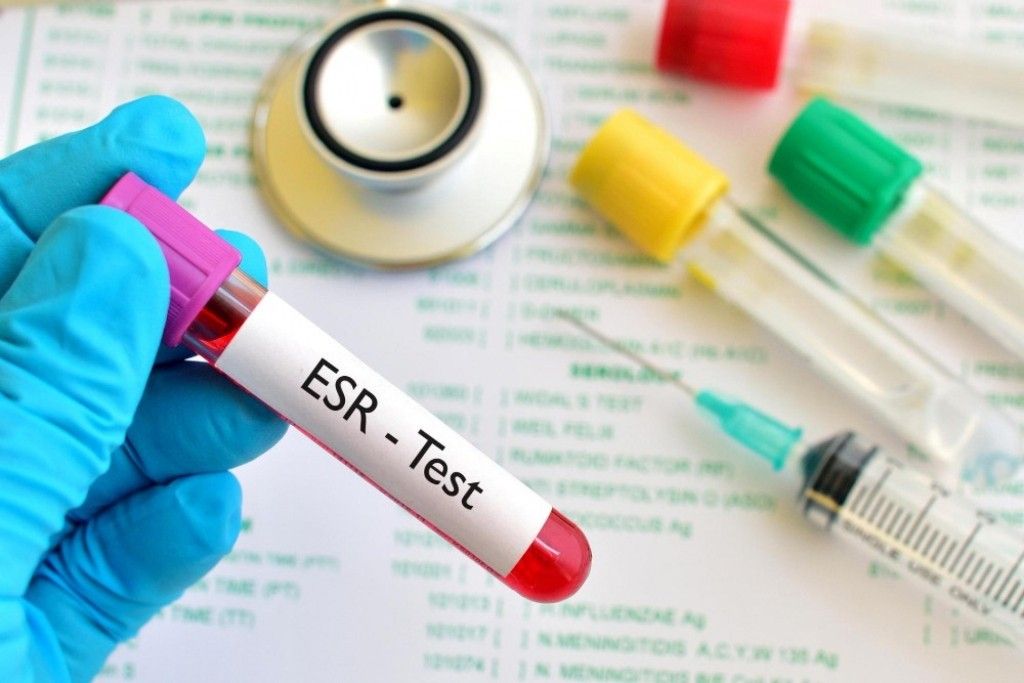
The ESR Test, medically known as the Erythrocyte Sedimentation Rate test, is one of the most commonly ordered inflammation blood tests in routine and specialty medical practice. Doctors frequently recommend the ESR blood test when they want to understand whether inflammation is present in the body, especially when symptoms are vague or unexplained. A high ESR test result often raises concern for patients, but elevated ESR levels do not automatically indicate a serious illness. Instead, the ESR Test serves as a broad indicator that inflammation, infection, or an underlying condition may be present.
Understanding what a high ESR test means, identifying the common causes of high ESR, and knowing when you should be concerned about elevated ESR levels helps patients interpret results calmly and seek appropriate medical follow-up. This article explains how the ESR Test works, why ESR levels rise, how doctors interpret high ESR results, and how ESR compares with other inflammation markers like the CRP Test.
What Is the ESR Test and How Does the ESR Blood Test Work?
The ESR Test measures how quickly red blood cells settle at the bottom of a vertical tube over one hour. In healthy blood, red blood cells settle slowly. However, during inflammation, certain proteins increase in the blood, causing red blood cells to clump together and fall faster. This faster settling leads to a high ESR value.
Because the ESR blood test does not measure inflammation directly, it is considered a non-specific inflammation marker. It reflects the presence of inflammatory proteins rather than identifying the exact source of inflammation. This is why a high ESR always requires clinical correlation and, often, additional tests.
ESR values are reported in millimetres per hour (mm/hr), and normal ranges vary by age and sex.
Why Doctors Recommend the ESR Test So Often
Doctors recommend the ESR Test because inflammation is a common feature across many diseases. The test is simple, affordable, and useful when symptoms do not clearly point to a diagnosis.
Doctors commonly order an ESR blood test for:
- Persistent fever
- Chronic fatigue
- Joint pain or stiffness
- Muscle aches
- Suspected autoimmune disease
- Monitoring inflammatory conditions
- Unexplained weight loss
Because ESR reflects ongoing inflammation, it is especially useful in long-term disease monitoring.
What Is Considered a High ESR Level?
A high ESR level means the ESR value is above the expected range for a person’s age and sex.
Typical reference ranges:
- Men <50 years: up to ~15 mm/hr
- Women <50 years: up to ~20 mm/hr
- Older adults: slightly higher ESR values may be normal
Doctors interpret elevated ESR levels based on:
- Degree of elevation
- Symptoms present
- Other test results
A mildly elevated ESR may reflect low-grade inflammation, while very high ESR levels raise concern for serious inflammatory or systemic disease.
Common Causes of High ESR Levels
1. Infections (A Leading Cause of High ESR)
Both acute and chronic infections are frequent causes of high ESR. Bacterial infections often cause moderate to significant ESR elevation, while viral infections usually produce smaller increases.
Common infection-related high ESR causes include:
- Tuberculosis
- Pneumonia
- Chronic urinary tract infections
- Bone and joint infections
Importantly, ESR may remain elevated even after infection symptoms improve.
2. Autoimmune Diseases and Persistently Elevated ESR
Autoimmune disorders are among the most common reasons for persistently high ESR test results. These conditions involve chronic immune activation.
Conditions commonly associated with high ESR include:
- Rheumatoid arthritis
- Systemic lupus erythematosus (SLE)
- Polymyalgia rheumatica
- Temporal arteritis
- Vasculitis
In these diseases, ESR is often used to monitor disease activity and treatment response.
3. Chronic Inflammatory Diseases
Long-standing inflammatory conditions frequently cause elevated ESR levels, including:
- Inflammatory bowel disease
- Chronic kidney disease
- Chronic liver disease
In such cases, ESR remains elevated over long periods.
4. Anaemia as a Cause of High ESR
Anaemia is a common but often overlooked cause of high ESR. Reduced red blood cell concentration changes sedimentation dynamics, resulting in faster settling.
Iron deficiency anaemia and anaemia of chronic disease are frequently associated with elevated ESR values.
5. Cancer and Unexplained High ESR
Certain cancers, particularly blood cancers and advanced solid tumours, may cause markedly high ESR levels. While the ESR Test does not diagnose cancer, unexplained and persistently high ESR may prompt further evaluation.
6. Pregnancy-Related Elevated ESR
ESR levels naturally rise during pregnancy due to changes in plasma proteins and blood volume. This physiological elevation is usually not concerning unless symptoms suggest disease.
7. Aging and High ESR Levels
ESR increases gradually with age. Mildly elevated ESR in older adults may be normal and must be interpreted cautiously.
8. Other Factors That Raise ESR
Non-disease causes of high ESR include:
- Obesity
- Smoking
- Hormonal changes
- Certain medications
These factors reinforce why ESR results should never be interpreted in isolation.
When Should You Be Concerned About a High ESR Test?
A high ESR test result becomes concerning when:
- ESR is significantly elevated without a clear cause
- Elevated ESR persists on repeat testing
- Symptoms such as fever, weight loss, joint pain, or night sweats are present
- ESR continues to rise over time
- High ESR is accompanied by abnormal CBC or CRP results
In these situations, doctors usually recommend further investigations.
ESR Test vs CRP Test- Understanding the Difference
Doctors often order both ESR and CRP tests together.
- ESR Test: Rises slowly and falls slowly
- CRP Test: Rises rapidly and reflects acute inflammation
CRP is more useful for acute conditions, while ESR is valuable for chronic inflammation monitoring.
How ESR Is Used to Monitor Chronic Disease
The ESR Test is especially useful for tracking disease trends:
- Falling ESR suggests treatment response
- Persistently high ESR indicates ongoing inflammation
- Rising ESR may signal disease flare or complication
Doctors focus on ESR trends rather than a single ESR value.
How the ESR Blood Test Is Performed
The ESR blood test requires a simple blood sample. Fasting is not required. The sample is analyzed by measuring how far red blood cells settle in one hour.
What Happens After a High ESR Result?
If ESR is high, doctors may recommend:
- Repeat ESR Test
- CRP Test
- CBC Test
- Autoimmune markers
- Imaging or infection screening
Treatment targets the underlying cause, not the ESR number itself.
Why the ESR Test Remains Clinically Important
Despite being an older investigation, the ESR Test remains valuable because it:
- Detects inflammation
- Monitors chronic disease
- Complements CRP testing
- Is cost-effective and widely accessible
Understanding high ESR causes helps patients engage more confidently in follow-up care.
Featured Articles

Beyond Water- Effective Electrolyte Heroes You Need During Diarrheal Illnesses
Posted on: 22nd Jan 2026

Dehydrated? How to Make a Lifesaving DIY Rehydration Drink for Cholera Recovery
Posted on: 22nd Jan 2026

Top Brain-Boosting Foods: How the Right Diet Can Lower Alzheimer’s Risk
Posted on: 22nd Jan 2026